What is land pollution?
Land pollution, in other words, means degradation or destruction of the Earth’s surface and soil, directly or indirectly, as result of human activities. Anthropogenic activities are conducted citing development, and the same affects the land drastically as we witness land pollution.
By drastic, we are referring to any activity that lessens the quality and productivity of the land as an ideal place for agriculture, forestation, construction, etc. The degradation of land that could be used constructively, in other words, is land pollution.
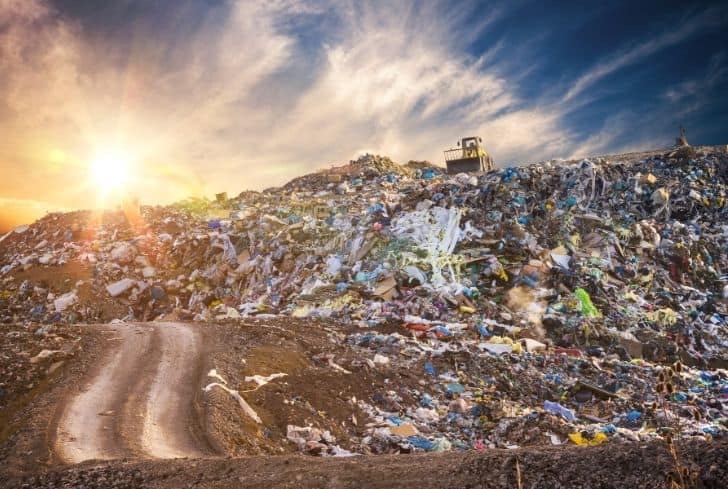
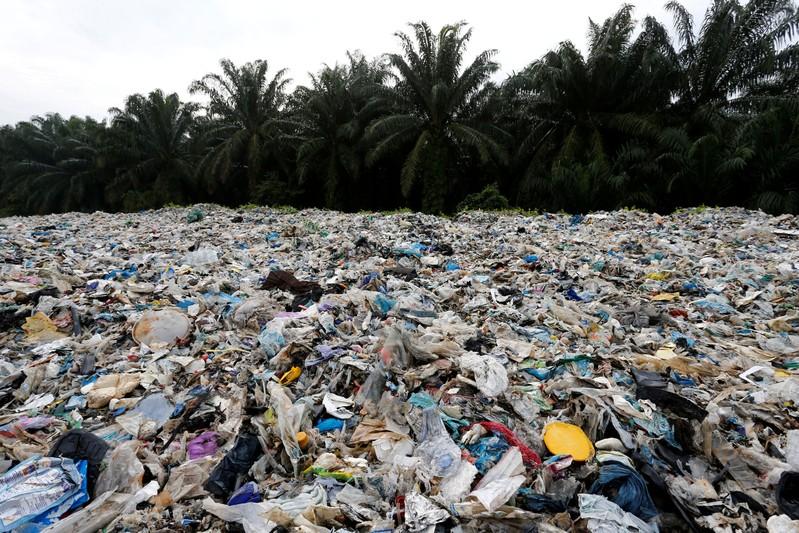
Trash is another form of land pollution. Around the world, paper, cans, glass jars, plastic products, and junked cars and appliances mar the landscape. Litter makes it difficult for plants and other producers in the food web to create nutrients. Animals can die if they mistakenly eat plastic. Garbage often contains dangerous pollutants such as oils, chemicals, and ink. These pollutants can leech into the soil and harm plants, animals, and people.
Some communities do not have adequate garbage collection systems, and trash lines the side of roads. Some cities incinerate, or burn, their garbage. Incinerating trash gets rid of it, but it can release dangerous heavy metals and chemicals into the air. So while trash incinerators can help with the problem of land pollution, they sometimes add to the problem of air pollution.
 Lend a hand to save the land