
Land pollution touches essentially every area of the living world, including:
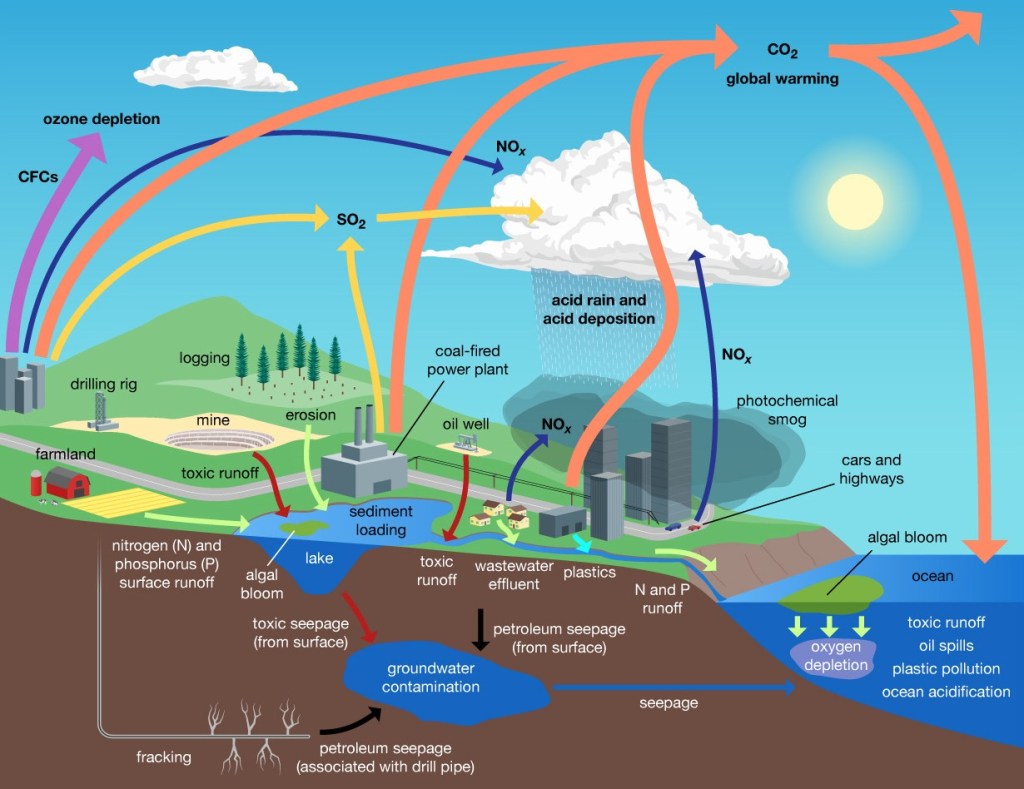
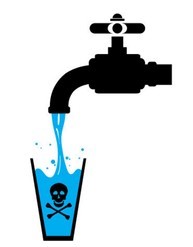
Land pollution frequently adds to water pollution, since pollutants and nutrients seep into the groundwater or run off into lakes and rivers before reaching the oceans.
Hydraulic fracturing, a technique for extracting natural gas and oil from the earth, injects some of these hydrocarbons into the surrounding rock, where they can leak into the groundwater. Groundwater contamination is a critical concern because it provides a source of drinkable water for many people.
Pesticides, as well as nitrogen and phosphorus from agricultural fertilizers, run off fields and into waterways, where they disrupt aquatic and marine food cycles. Pesticides are extremely poisonous to insects, fish, and the animals that consume them. Fertilizers high in nitrogen and phosphorus “feed” algae and other aquatic plants, resulting in larger-than-normal blooms. When these plants die, they can consume the majority or all of the available dissolved oxygen, resulting in fish kills and other animal deaths.
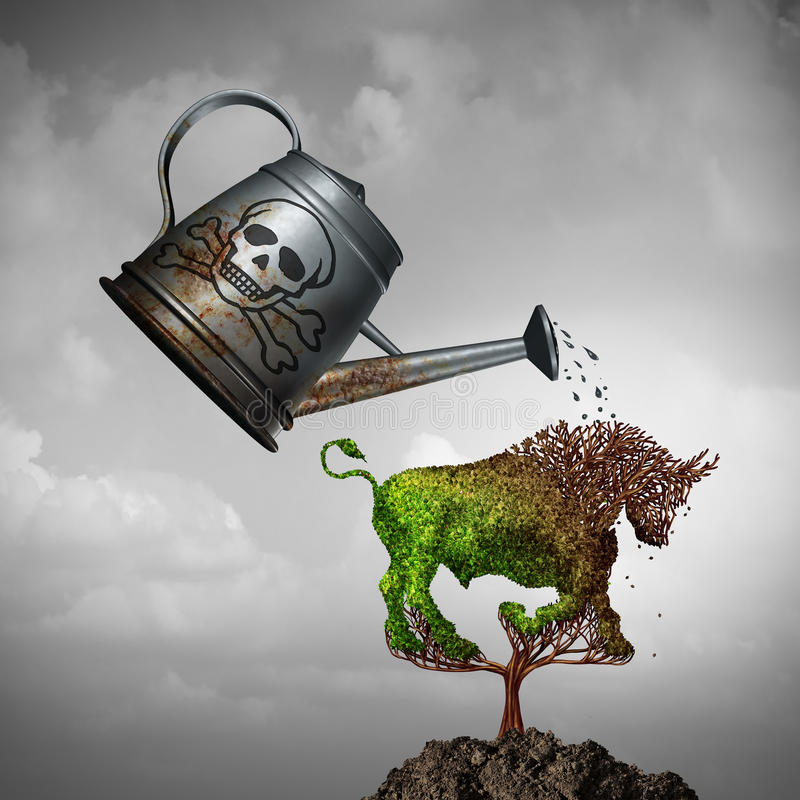
Toxic substances released as a result of petroleum spills and other chemical releases can contaminate the surrounding soil, seep into the groundwater, and wash into nearby waterways.
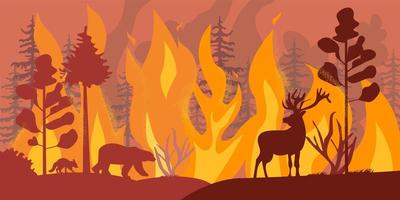
Climate change has a significant effect on soil, and changes in land use and soil composition can either exacerbate or mitigate climate change. We cannot address the climate catastrophe, produce enough food, or adapt to a changing climate without better soils and sustainable land and soil management. The solution may lay in protecting and restoring critical ecosystems and allowing nature to sequester carbon from the atmosphere.

Additionally, the report on impacts and vulnerability identifies additional effects of climate change on soil, such as erosion, which can be increased by extreme climate events such as heavy rain, drought, heat waves, and storms. Along with the loss of land, rising sea levels may alter the soil in coastal areas and bring contaminants from the sea, including salt. In terms of land use, climate change may render some agricultural areas unsuitable or less productive, primarily in the south, while perhaps creating new opportunities further north.
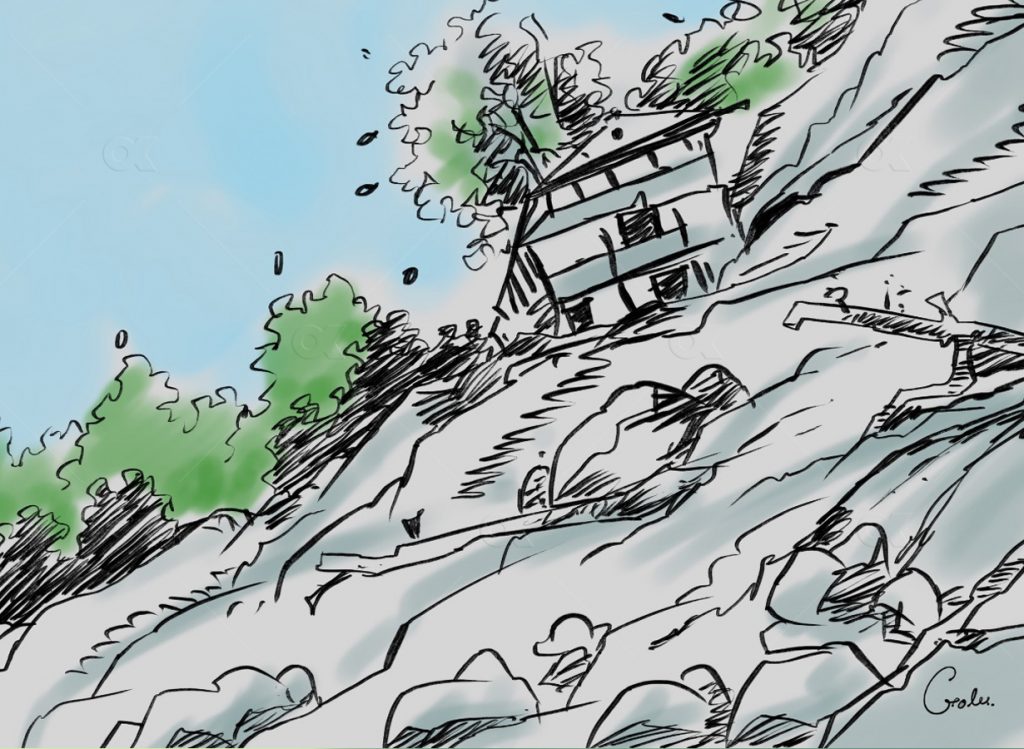
Inefficient land use techniques. Slash and burn agriculture, excessive cultivation, and excessive grazing gradually degrade the soil’s fertility and ability to support vegetative growth. As a result of the lack of green cover, water is encouraged to flow over the surface rather than permeate into the soil, resulting in increased surface runoff.
Urbanization results in the obliteration of permeable soil in favor of an impervious layer of pitch and concrete that prevents water from infiltrating. As a result of the increased surface runoff, flash flooding occurs.
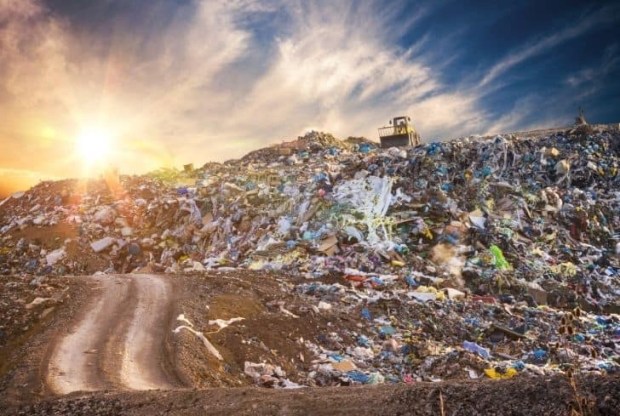
Inadequate trash disposal. Oftentimes, improperly dumped rubbish enters drainage systems and clogs drains. This obstructs the free flow of water entering these drains, resulting in water backing up and flooding the surrounding region during rainfall. Additionally, a buildup of waste in rivers and streams can block the natural flow of water.
 Lend a hand to save the land